Circular Economy in Solar: Designing Materials for Easy Recycling
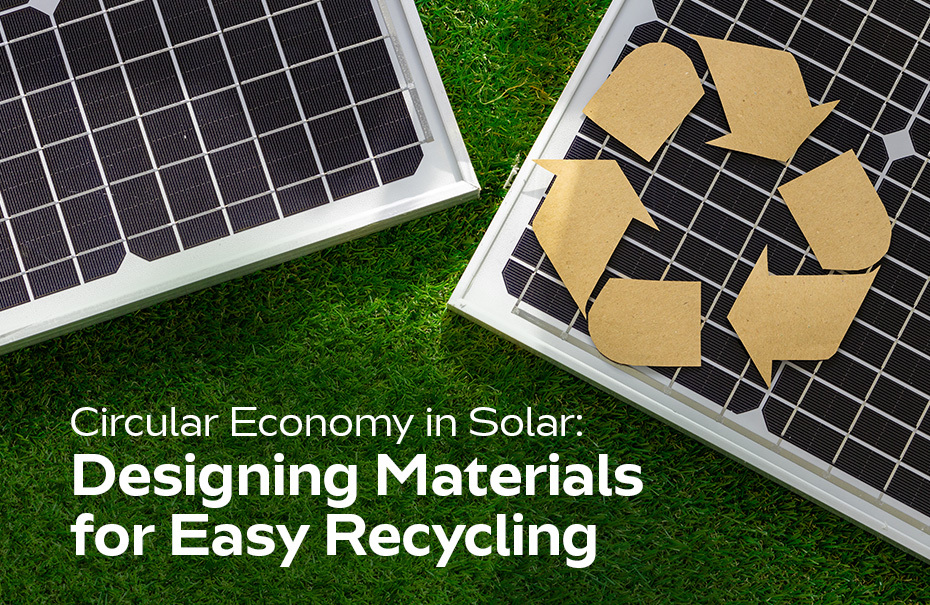
Solar power has completely changed the way we think about energy. It’s not just about cutting emissions, solar is pushing countries to rethink how they get their power. But here’s the thing: as solar power expands rapidly, we have to talk about what to do with all those panels and parts when they come to the end of their lifespan.
Recycling solar materials and building systems with a circular economy in mind isn’t just a feel-good move for the planet. It’s actually becoming essential for solar companies to get a strong return on investment over time. As solar installations emerge everywhere, moving away from the traditional “use and discard” approach and switching to a circular model can no longer be avoided. It’s the only way to make solar sustainable, keep costs in check, and make sure we’re not scrambling for resources down the line.
Why Solar Recycling Matters?
The solar industry has a growing waste problem on its hands. According to the International Renewable Energy Agency, if we don’t get serious about recycling solar materials, the waste could pile up to 78 million tonnes by 2050. That’s a mountain of old panels just sitting around.
Right now, we’re barely scratching the surface when it comes to recycling solar materials. That means most of them end up as waste, even though there’s a lot of value left inside.
It’s not just about saving space in landfills, either. Retired panels are packed with useful stuff: silicon, aluminum, copper, silver. All these materials can be recovered and put to work again. Experts estimate that by 2050, the materials in old solar panels could be worth more than $15 billion.
And here’s the kicker: up to 95% of a solar panel’s materials can be recovered using recycling technology we already have. So, what’s stopping us? These numbers make it clear, recycling solar panels is not just about protecting the environment. It’s a huge economic opportunity and a critical piece of a smarter, more sustainable solar industry.
Designing Solar Materials for Easy Recycling
If you want real circular economy benefits, you have to start thinking about recycling from day one not only when panels reach end-of-life. It all comes down to how you design the materials in the first place.
- Make them simple to disassemble
- Ditch the harmful substances
- Use parts that are standardized and simple to recycle
Here’s the thing: over 85% of what goes into a solar panel like glass and aluminum can already be recycled if people handle it right. The problem is, most companies are still not doing it.
When manufacturers actually design for recycling, they cut down on waste, use less energy and water when making new panels, and get more value out of the materials they already have. In the end, that’s not just better for the planet, it’s good for business, too.
How Recycling of Solar Materials Influence ROI?
1. Material Cost Savings Add Up
When you recycle solar panels, you get back valuable stuff like silicon, aluminum, and copper. You can use these right away in new manufacturing, no need to keep digging up fresh raw materials. That means your costs stay steadier, even when commodity prices swing all over the place. If panels are built with recycling in mind, it’s even better, less contamination, easier to pull out the good parts.
2. Lower Environmental Compliance Costs
Environmental rules keep getting stricter, and more countries are rolling out extended producer responsibility laws. Companies that start recycling early dodge a lot of the headaches and costs down the road. Automated recycling and smarter panel designs reduce complexity and cost to comply with regulations, so projects make more money over time.
3. Stronger Resource Security and Supply Chains
Solar panels use critical materials like silver, copper, and high-purity silicon and obtaining these is often challenging. Recycling helps you sidestep shortages and cuts down on the risks of relying on imports. Basically, it makes your supply chain sturdier. If you are using recycled materials from local sources, you are also less exposed to global market chaos, which keeps your project’s economics safer.
4. Lower Waste Management Costs
Dumping old panels in landfills or burning them racks up disposal fees and causes environmental problems. Recycling flips the script, instead of paying to get rid of waste, you turn old panels into something valuable. That takes pressure off your bottom line and gives your ROI real support.
If You Are a Solar Business Manufacturer — You Can Lead the Change
If you are a domestic solar component manufacturer, you have got a real shot at leading the way. Whether you have been in the game for years or you are just getting started, bringing circular economy ideas into your business, like recycling and designing your products for reuse, can set you apart and boost your bottom line.
When you make recycling part of your strategy, you don’t just check a box for sustainability.
- You actually secure a competitive edge
- Your brand stands out by minimizing the dependence on raw materials
- You gain a stronger spot when discussing agreements with suppliers and buyers
- Additionally, it simply prepares you for long-term profits
Look at what some of the big players are already doing. Manufacturers focused on recycling are showing that sustainable design goes beyond environmental concerns, it’s good business. When you design your panels so the materials are easy to recover, you are following global trends, sure, but at the same time, you make it easier and more affordable to recycle those materials into the production process.
If you are a domestic manufacturer aiming to boost your recycling game, Vishaka Renewables deserves your attention. They know sustainable solar inside out, and they fully embrace circular innovation. They are known for supporting domestic manufacturing businesses to develop product lines that are recyclable, efficient with resources and aligned with the latest environmental standards.
Work with the right partners and actually build circular thinking into your design and production. By doing so, you are not just keeping up, you are leading the way in a solar industry that’s ready for the future, where acting responsibly toward the environment goes hand in hand with real business growth.
The Broader Circular Economy Impact
There’s more to recycling and circular design than only quick returns. When you really commit to these ideas, you change the whole system for the better. Such as:
- You cut carbon emissions because you aren’t dependent on a large amount of fresh material.
- You cut down your environmental footprint, fewer panels wind up in landfills.
- You help grow local recycling operations, which means more jobs and a stronger industry at home.
- And you get a steady supply of materials for future production.
The solar industry is continuing to grow. In early 2024, international capacity surpassed 1.6 terawatts. That means we must not consider recycling and reuse as an unattainable aim. It’s something we have to nail down now.
If we don’t, we are looking at a large accumulation of waste and insufficient methods to recycle used materials. This is negative information concerning the ecosystem, and in terms of your costs. So, let’s address it proactively.
Conclusion: Circular Economy = Smarter Solar ROI
Building solar projects considering recycling is more than beneficial for the environment, it’s a savvy business move. When companies recycle solar materials and stop depending so much on imported resources as they:
- save on raw material costs
- Initiatives become more robust
- Supply chains become more stable
- Compliance issues and waste disposal costs decrease
- And over time, the return on investment continues to increase steadily
If you are a domestic manufacturer and you bring circular economy ideas into everything you do, from design all the way through to recycling, you are setting yourself up as a real leader in clean energy.
This is the moment to get involved. Make circular economy practices a priority. Invest in recyclable materials and the right infrastructure. It serves the global community, and it enhances the value of all solar projects, year after year.
Explore More
- How Domestic Solar Material Sourcing Impacts Project ROI
- Impact of Solar Panel Recycling on Environmental Sustainability
- Solar Panel Longevity: Factors Affecting Lifespan of Solar Panels
- Comparing Aluminum vs. Steel Frames for Solar Panels
Other Articles